
Neck & Back
The spine is a wondrous network of bones, discs, facet joints, ligaments, spinal nerves and muscles, all combined and connected in an incredibly complex way to provide both stability and wide range of movement. The spine is actually a series of joints, joints that sometimes need help functioning as they are intended. Keeping this system mechanically aligned and held snuggly together allows for healthy function and pain-free movement. When optimal function is compromised, spasms, tightness, and pressure on nerves result.
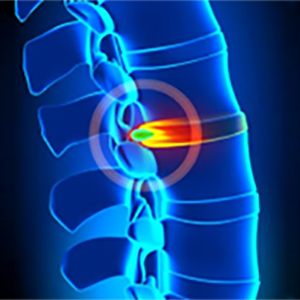
Pain is our body’s way of telling us it needs attention. When injury occurs, our body sends healing cells to repair damaged tissue. This process results in inflammation, a natural part of the healing process. As conditions become chronic, however, out of control inflammation is no longer beneficial. Your body needs some help in supplying healing cells and modulating constant inflammation.
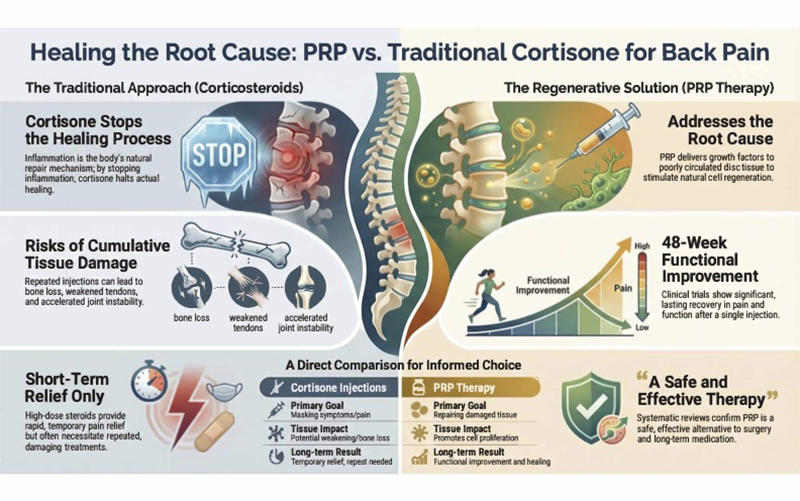
Although 65% of individuals experience a form of low back pain at some point in their lives, traditional medicine often continues to treat spinal conditions with corticosteroids, a substance that has been shown definitively to both stop the natural healing process and to damage joint tissue. Corticosteroid injections work by reducing inflammation, thereby alleviating pain. However, the use of high-dose corticosteroids comes with potential adverse effects. Learn more.
Surgery may be necessary in specific cases of spinal dysfunction, but involves higher risk, longer recovery, and irreversible structural changes. Surgery is rarely the first option.
When inflammation stops, healing stops also!
Common Conditions Causing Back Pain
Ligament strain. Injury occurs when ligament tissue is over-stretched or torn, resulting in damage to the ligament fibers (tough, fibrous tissues that connect the bones together). A strain that occurs in the lumbar region of the back is referred to as a lumbar strain. Ligament laxity of overstretched tissue results in mechanical dysfunction and inflammation of surrounding tissue. Muscles and tissue surrounding the strain will attempt to compensate for the instability. These conditions lead to back spasm that can cause both severe lower back pain and difficulty moving.
Bulging or ruptured discs. Discs act as cushions between the bones (vertebrae) in the spine. The soft material inside a disc can bulge or rupture and press on a nerve. However, a bulging or ruptured disc can occur without back pain. Disc disease is often found incidentally during spine X-rays given for another reason.
Spinal stenosis. Spinal stenosis is narrowing of spaces in the spine, causing pressure on the spinal cord and nerves that travel through the spine to the arms and legs. Most cases occur in the lumbar region of the back and are often caused by the wear and tear related to osteoarthritis.
Skeletal irregularities. Back pain can occur if the spine curves abnormally. Scoliosis, a condition in which your spine curves to the side (laterally), also may lead to back pain, but generally only if the scoliosis is severe.
Irritation. Large nerve roots that travel to the legs or smaller nerves in lower back
Sprain. Tendons attaching the muscles to bones and can become sprained with excess force resulting in a sprain. The large paired lower back muscles (erector spinae) can also become sprained, often resulting in small tissue tears.
Degenerative disc disease. Narrowing of the discs between vertebrae causes compression of the nerves extending through the vertebral canal often resulting in tissue degeneration. Learn more.
Regenerative Orthopedics
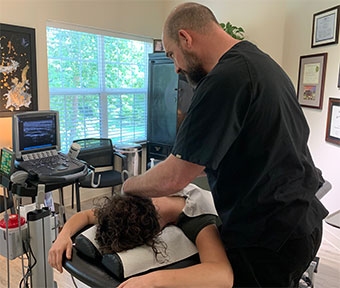
Platelet Rich Plasma (PRP), Prolotherapy, and Stem Cell Therapy are regenerative procedures that help heal collagenous tissue, such as tendons, ligaments, and cartilage. Regenerative prodedures help to:
- Accelerate healing of damaged tissue to strengthen the connecting tissues, making the spinal column more stable, reducing friction and inflammation that cause back pain and often lead to osteoarthritis
- Stimulate tissue growth
- Create new blood vessels
- Prevent continued loss of tissue and reverse deterioration
- Reduce destructive inflammatory response
- Provide conditions for lasting healing by regulating the immune system
Platelet Lysate Epidural Injection is a minimally invasive, non-surgical treatment that uses the patient's own platelets to address lower back pain, buttock and leg pain, or numbness and tingling in the legs or feet. An alternative to epidural steroid injections, Platelet Lysate Epiudural Injections helps patients avoid the side effects of high-dose steroids for temporary pain relief. The procedure is derivative of platelet-rich plasma (PRP) that is produced by rupturing the platelets found in PRP. This process releases growth factors and cytokines, which are then filtered to enhance their concentration and efficacy.
Benefits of Regenerative Medicine
Natural Healing:
Regenerative Medicine treatments harness the body's innate healing mechanisms, promoting long-term recovery rather than temporary symptom relief.
Enhanced Tissue Repair:
Regenerative Medicine aims to repair and regenerate damaged tissues, potentially restoring function and reducing the need for more invasive treatments.
Reduced Risk of Side Effects:
Unlike corticosteroids, regenerative therapies generally have fewer and less severe side effects, as they use natural substances from the patient's own body.
What Are These Regenerative Medicine Procedures?
Regenerative medicine offers a transformative approach to treating musculoskeletal conditions by harnessing the body's natural healing capabilities. Depending on your condition, Dr. Minotti can help you determine which procedure is right for you.
Platelet-Rich Plasma (PRP) Therapy: PRP therapy involves extracting a small amount of the patient's blood, processing it to concentrate the platelets, and injecting this platelet-rich plasma into the injured area. PRP is rich in growth factors that promote tissue repair and regeneration.
BMAC, also known as Stem Cell Therapy: Stem Cell Therapy uses the patient's own stem cells, typically harvested from bone marrow or adipose tissue. These stem cells can differentiate into various types of cells needed for repair. The extract is also rich in healing cells that help new cell development.
Prolotherapy: This procedure involves injecting a solution, often containing dextrose, into the damaged area. This solution irritates the tissue, triggering the body's natural healing response and promoting the repair of ligaments and tendons.
Osteopathic Manipulation
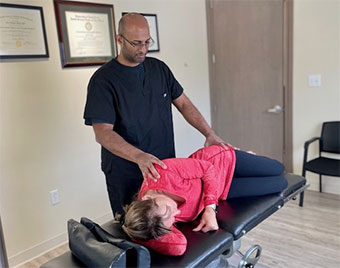
Osteopathic Manipulative Treatment (OMT) focuses on correcting mechanical dysfunction. Structural integrity allows the complex joints of the back and neck to function as they were designed, reducing irritation, inflammation and pain. Healthy function improves blood flow to nourish tissue and further reduce inflammation. Strain on surrounding body tissue caused by compensation is reduced, preventing further complications. OMT addresses the root biomechanical causes of injuries and conditions to alleviate pain and restore optimal function of the body.
Osteopathic Manipulative Therapy (OMT) helps to:
- Correct structural and tissue abnormalities in vertebrae, muscles, myofascial structures, etc.
- Relieve joint restriction and misalignment
- Restore muscle and tissue balance
- Promote the movement of bodily fluids
Regenerative procedures are designed to help reduce knee pain and improve function with precise
highly specific image-guided medical procedures.
If you have back pain, platelet rich plasma therapy may help. It uses parts of your own blood to help your body heal itself. PRP can help your back feel better and work better.
To determine if Regenerative Orthopedics will be helpful for you, please tell us about your condition.
Understanding the Risks of High-Dose Corticosteroid Injections
The management of pain and inflammation is a critical aspect of patient care in musculoskeletal medicine. High-dose corticosteroid injections have been a mainstay treatment for various conditions such as arthritis, tendonitis, and bursitis. However, while these injections can provide rapid relief, they are not without significant risks. Learn more in Dr.Minotti's blog about negative effects of cortisone.
The Downside of High-Dose Corticosteroid Injections
Corticosteroid injections work by reducing inflammation, thereby alleviating pain. However, the use of high-dose corticosteroids comes with several potential adverse effects:
1. Joint and Tissue Damage: Repeated corticosteroid injections can lead to the weakening of tendons, cartilage, and bone. This can result in joint instability and an increased risk of tendon ruptures.
2. Osteoporosis: High doses of corticosteroids can accelerate bone loss, increasing the risk of fractures and osteoporosis.
3. Infection Risk: Corticosteroid Injections can suppress the immune system, potentially leading to infections such as septic arthritis.
4. Endocrine Disruption: Corticosteroids can interfere with the normal function of the adrenal glands, potentially causing hormonal imbalances and conditions such as Cushing's syndrome.
5. Short-Term Relief: While corticosteroids can provide rapid pain relief, this effect is often temporary, necessitating repeated injections and increasing the risk of cumulative damage.
Medical research has discovered ways to maximize the oldest form of healing: our own body. By understanding how the healing process actually occurs, physicians are able to enhance the natural physiologic process of cell replacement.
We Can Help
To learn more about what we can do to help with your condition, call our office at 817-416-0970. We will thoroughly diagnose your condition and present you with treatment options. From there we will guide you along your road to recovery.